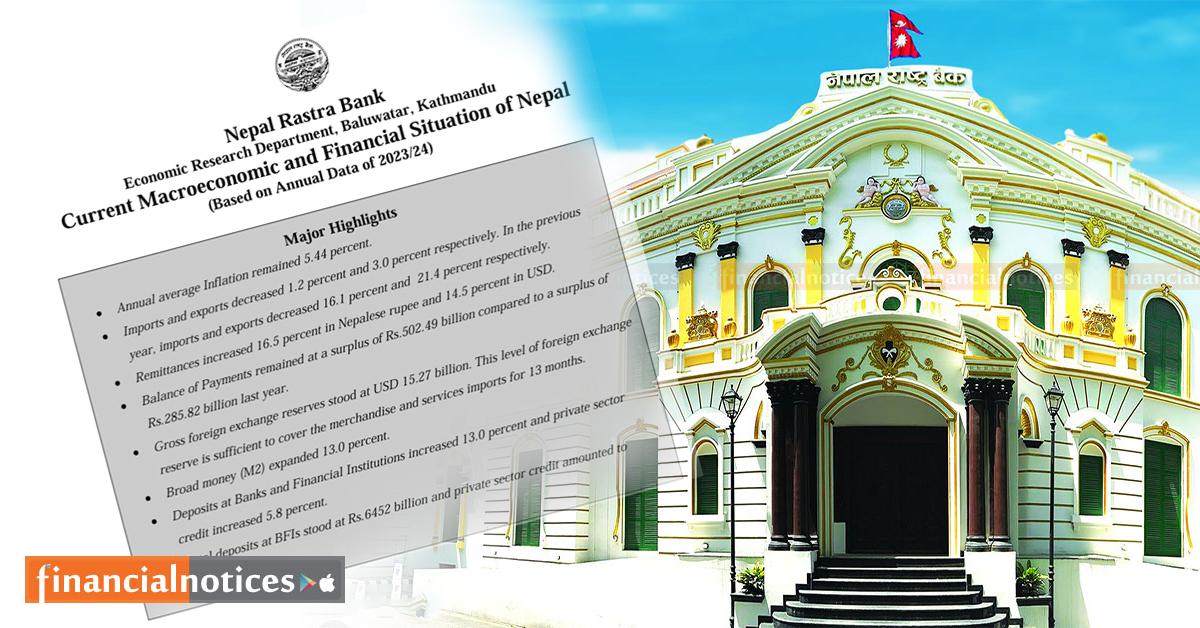
KATHMANDU, Nepal – Nepal’s economy is showing signs of recovery with modest GDP growth of 3.5% in the 2023/24 financial year, according to the latest annual report from the Economic Research Department of the Nepal Rastra Bank. Providing a comprehensive overview of the country’s economic and financial situation, the report displays cautious optimism as the country addresses both global and domestic challenges.
The increase in GDP is largely due to strong performance in the manufacturing and industrial sectors. Production rose 4.2% due to increased industrial activity and export demand. The manufacturing sector, which is the mainstay of the economy, also played an important role in the overall growth.
Inflation continues to be a key concern, with an annualized rate of 5.2%, slightly above the midpoint of the 4-6% target. Rising food and energy prices were the main drivers. However, timely intervention by the Nepal Rastra Bank, including interest rate adjustments, helped to prevent a sharp rise in inflation.
The labor market improved, with unemployment falling to 6.8% from 7.3% the year before. The gradual reopening of the economy and the resumption of activities that had been halted by the pandemic can be attributed to this decline. Despite this progress, youth unemployment remains high, highlighting the need for more focused employment policies.
Nepal’s trade deficit widened to $10 billion from $8 billion a year ago, driven by higher imports of essential commodities such as crude oil and machinery Although although the increase in exports in high-value zones provided some relief, the overall balance of trade remains a concern.
The government’s broader fiscal policy focused on infrastructure and social welfare led to a fiscal deficit of 5.8% of GDP, slightly above target The debt-to-GDP gap has risen to 70%, causing shock at of economic growth, although the government protects spending as needed for economic stability
Nepali financial markets were volatile throughout the year, but the central bank maintained a stable policy interest rate of 5.5% to balance growth and inflation The stock market reacted well, with indexes in particular closed 8% higher for the year, reflecting investor confidence in the country’s economic prospects
As Nepal moves forward, it will need to continue to focus on sustainable development, particularly addressing youth unemployment and ensuring prudence monetary policy to overcome global economic uncertainty.